Flower Art: Where Modern Typography Meets Natural Elegance
When you first encounter Flower Art, it doesn't just sit on the page—it blooms. This isn't your typical, rigid typeface. It's a premium font that captures the organic fluidity of a petal or the graceful curve of a stem, translating that natural beauty into a functional design asset. Think of it as a hybrid: it has the clarity and structure needed for modern typography, but its letterforms carry an inherent softness, a subtle flourish that makes it feel alive. The personality is one of quiet confidence and elegant sophistication, making it a perfect choice for projects that need to feel both professional and deeply personal.
The Visual Soul: More Than Just a Pretty Font
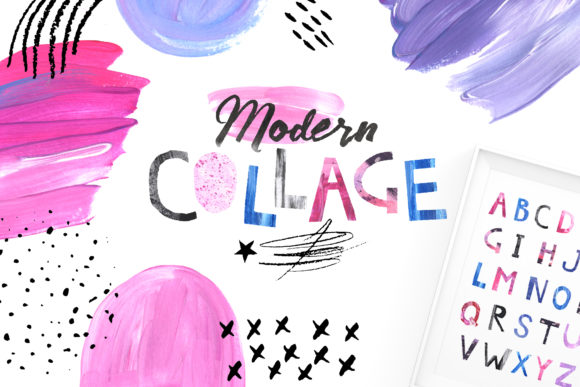
What sets Flower Art apart visually? It’s in the details. You’ll notice serif elements that are softened, almost like buds about to open, and sans serif foundations that feel clean but never cold. The script and handwritten variations are where its true character shines, offering a touch of organic imperfection that feels authentic and crafted. This creative font family often includes a range of styles—from a clean, simple outline perfect for logo design to more decorative, floral inline versions. It’s this versatility that allows it to serve as a cornerstone of a brand identity, whether you’re designing for a high-end spa, a luxury cosmetics line, or a wellness studio.
The appeal is in its duality. It feels natural and botanical, yet it’s built on a foundation of modern design principles. It can whisper feminine elegance or shout creative innovation, depending on the context. For a wedding invitation, it brings romance. For a beauty product’s packaging design, it adds a layer of premium appeal. For a wellness app, it conveys calm and care. This adaptability is its superpower, allowing it to cross industries from fashion to hospitality to eco-friendly brands without losing its core essence.
Strategic Placement: Where Flower Art Truly Works
Knowing where to deploy a display font like Flower Art is half the battle. It’s not a workhorse for long body text; its strength is in making a statement. Use it for headlines on a website’s homepage, where its elegant curves can capture attention immediately. It’s a natural fit for social media graphics, especially for Instagram posts or Pinterest pins for a garden center, a salon, or a healthcare practitioner focusing on holistic care. Its ornamental quality makes it ideal for editorial design—think magazine headers for a feature on botanical illustration or a spa retreat.
In the realm of branding, Flower Art can become the centerpiece of a logo for a boutique hotel, a cosmetic company, or a premium skincare line. Its logotype potential is significant, offering a mark that feels both corporate and artistic. For print, consider it for business cards, invitations, and packaging for artisanal goods. It translates beautifully to decorative elements for a blog or as part of a landing page design for a wellness retreat. Even in digital contexts, like the UI of a meditation app, its softer styles can add a human, calming touch to the interface.
Making It Work: Practical Guidance for Designers and Creators
Choosing a font is a strategic decision. First, evaluate the project’s needs. Is it for a corporate report? Probably not the best fit. Is it for a creative agency’s portfolio, a yoga studio’s branding, or a florist’s website? Now we’re talking. Always test font pairings. Flower Art’s more expressive styles work beautifully grounded by a clean, geometric sans serif for body copy. A pairing with a neutral, slim serif can also create a sophisticated, editorial look.
Review the included styles carefully. Does it have the weights and alternates you need? Look for swashes, ligatures, or stylistic sets that can add that extra ornamental touch for special projects. Readability is paramount. While stunning at large sizes, test the more decorative styles at smaller sizes to ensure they remain legible, especially for web use. Finally, don’t overlook licensing. Ensure the commercial font license covers your intended use—whether it’s for a client’s logo, a print-on-demand product, or a mobile app. A clear license protects your work and your client’s investment.
In the end, Flower Art is more than a collection of letters. It’s a design tool that brings the beauty of the natural world into the structured realm of graphic design. Used thoughtfully, it can elevate a project from simply functional to truly memorable, creating an emotional connection that resonates with an audience seeking authenticity and style. It’s a botanical whisper in a digital world, and when applied with care, its impact is anything but quiet.